Protected Case Study
Please enter the password to view this case study.

The COVID-19 pandemic dramatically changed the travel landscape and travelers' behaviors in 2020. States and countries closed their borders, and city shutdowns soon followed. Businesses had to adapt as quickly as possible to meet the demands of an all-digital approach. Working remotely, from anywhere, not only became a reality but a necessity for many companies. Short-term rentals were quickly becoming the preferred way to safely travel domestically to escape cabin fever, as the boundaries of what was home and what was the office became more and more blurred. In addition, short-term rentals offered an opportunity for travelers to control their environment at their destination. As a result, occupancy rates of short-term rentals soon passed that of hotels during the second half of 2020, spurring hopes of a travel-rebound in 2021 but in a much more personalized manner for the industry. The timing would be ideal for modernizing the (Tripadvisor owned) Holiday Lettings vacation rentals brand and platform to meet the expectations of the increasingly sophisticated traveler and the inevitable swell of demand that was continuing to build.
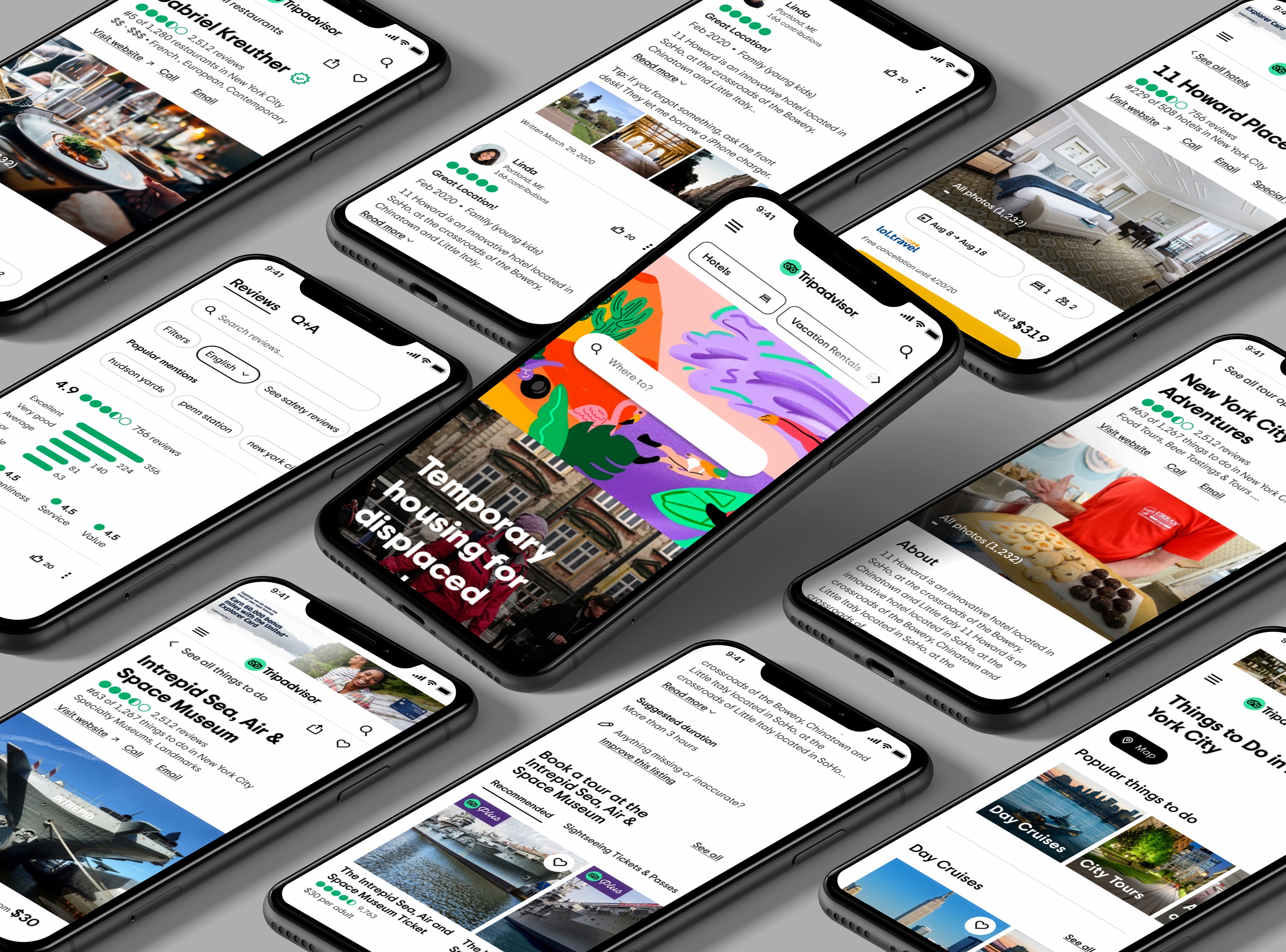
I decided to volunteer to join the small Vacation Rentals team, which consisted of a few Product Owners and a small group of Engineers. I saw how my experience serving on the Tripadvisor Design System team could greatly benefit the project. I took on the role of the Product Design Lead and would work alongside a few Product Owners and Engineers to set forth on our mission. Our mission for this team was to refresh and modernize the platform of the Holiday Lettings brand and, at the same time, develop a blueprint for other Tripadvisor-owned brands in the portfolio to follow suit with similar work in the future.
The three main goals for this multi-platform modernization effort were to:
The team decided to defer the following until after the project's initial phase was completed unless there was time for proper testing before the major release:
We also identified a few critical obstacles to be aware of early on in the project, some of which would significantly affect the scope and outcomes. These obstacles included:
The team quickly realized we had to streamline our process and approach to meet the timelines for this project. We were a lean and distributed team who were not all 100% dedicated to this effort. Many team members needed to balance their time between this newly defined project and other company priorities already in motion.
The team decided to implement an Agile product development process to ensure that we could move as fast as possible through the product development life cycle. In addition, our version of Agile intentionally blurred between disciplines. It provided opportunities for suggestions, optimizations, and enhancements from stakeholders and team members during multiple stages of our sprints. As a result, everyone on the team was essentially on the same level, making it easy to share our prior experiences during each sprint cycle.
Additionally, when I joined the team, I realized that we would not be able to move as fast as needed without a proper system that could power many decisions that would soon come. As a solution, I created a lightweight and straightforward Brand and Product design system within Figma to serve as the source of truth for the team to leverage at any time. This design system further increased our speed-to-market because all the decisions made regarding the fundamentals of the brand expression, UI, and UX were in one centralized Figma design file. There was instant access to even the smallest detail throughout the process without requiring a meeting to become unblocked.
The final part of the project plan, and the key to maintaining the work that the team had implemented, was to create a roadmap for continuous improvement upon completing the initial stages of the modernization efforts. Our project backlog would serve as a steady stream of single-factor tests to incrementally add (or improve) functionality while also serving as a guarantee to focus on building all of the initially out-of-scope features.
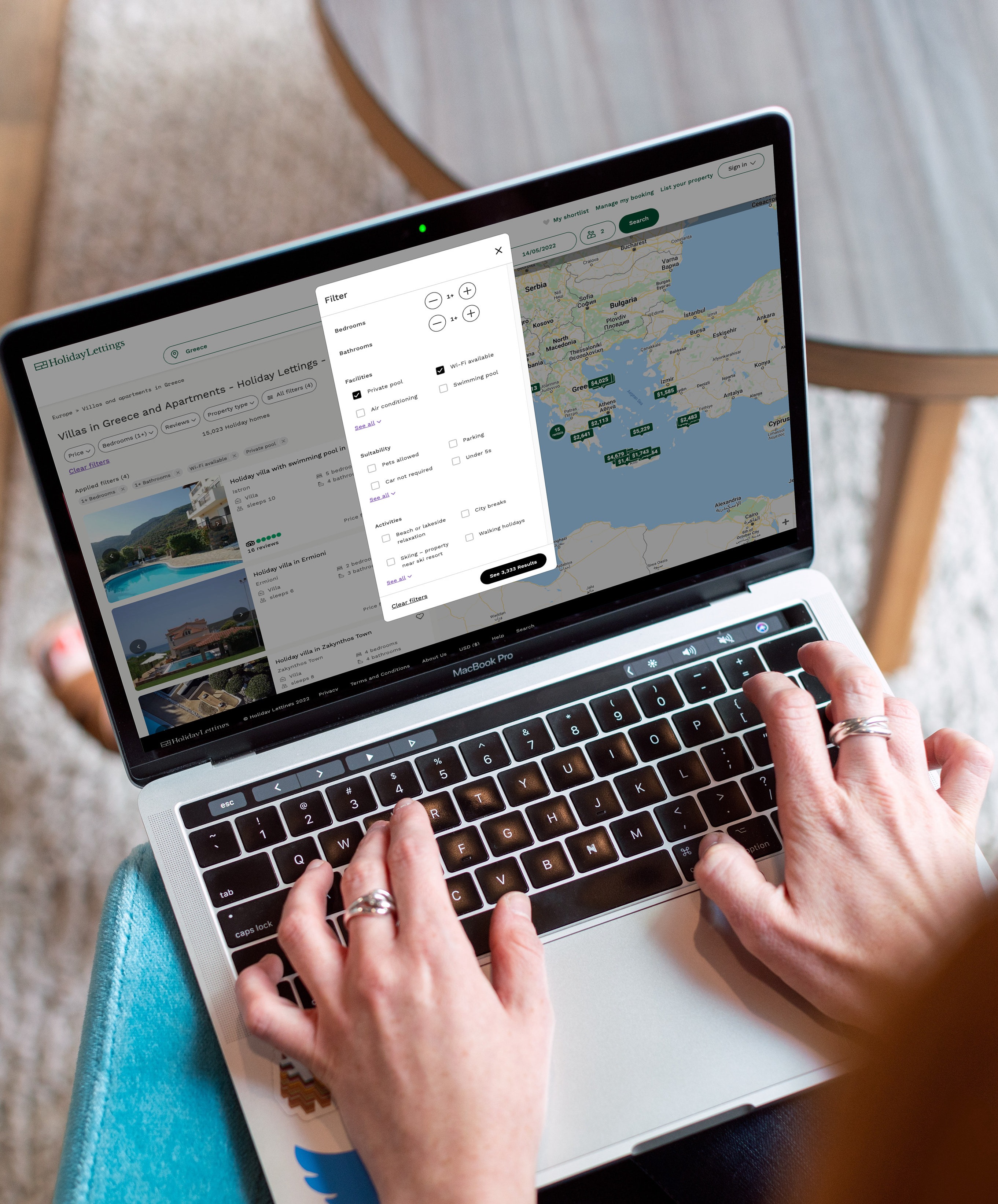
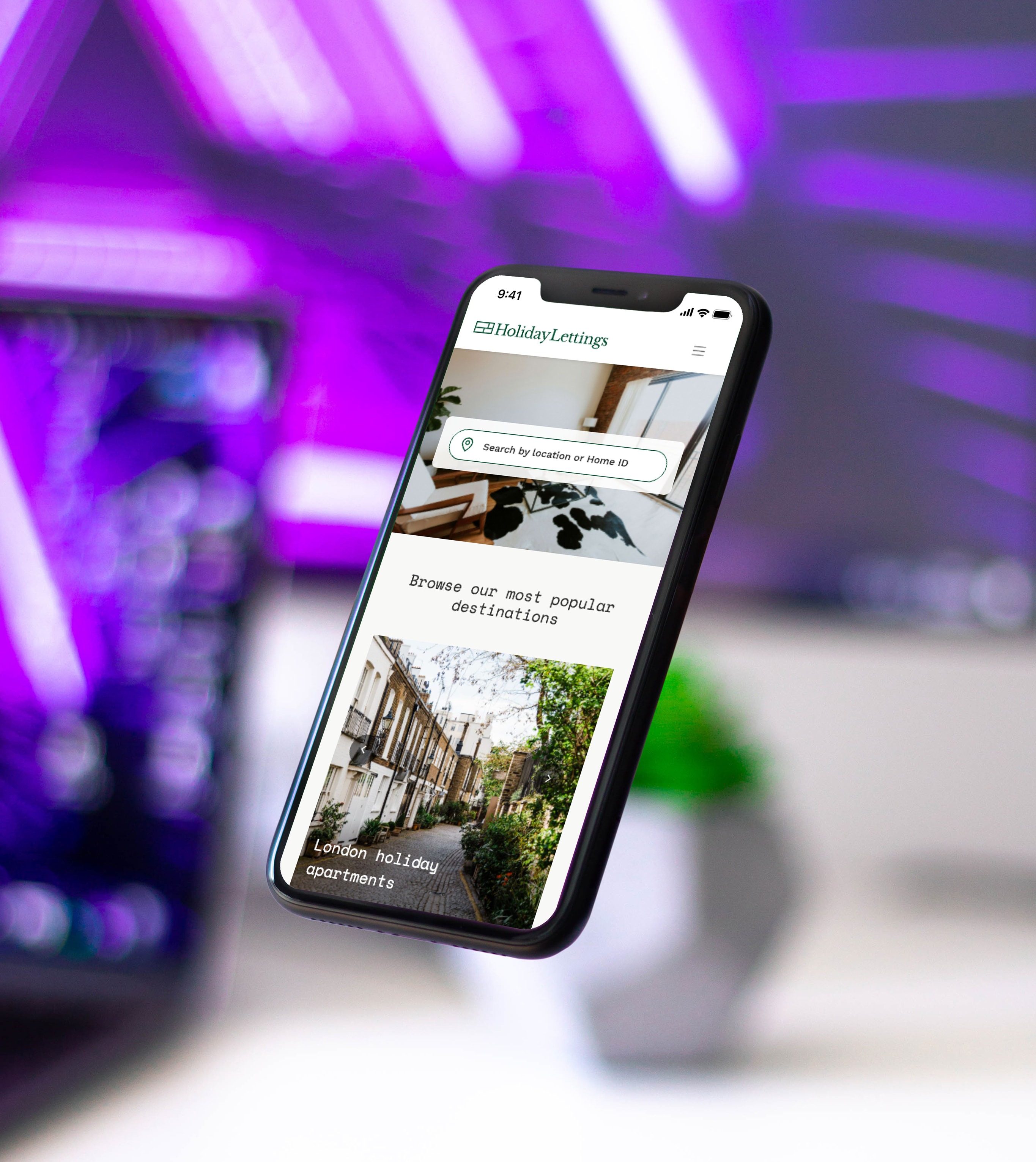
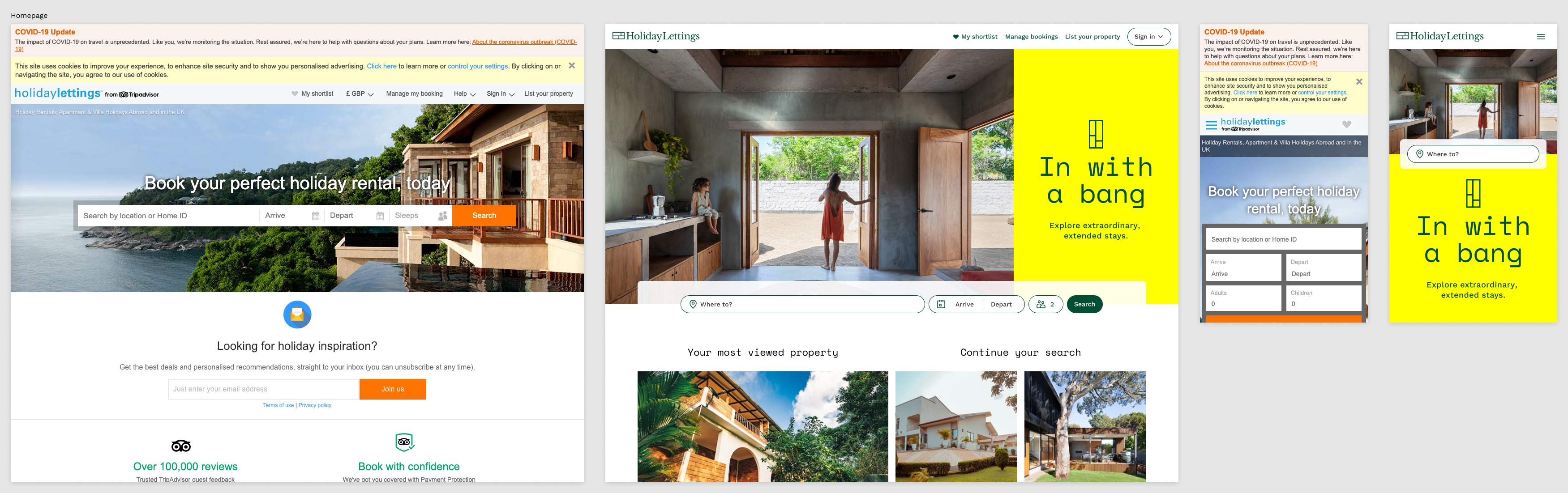
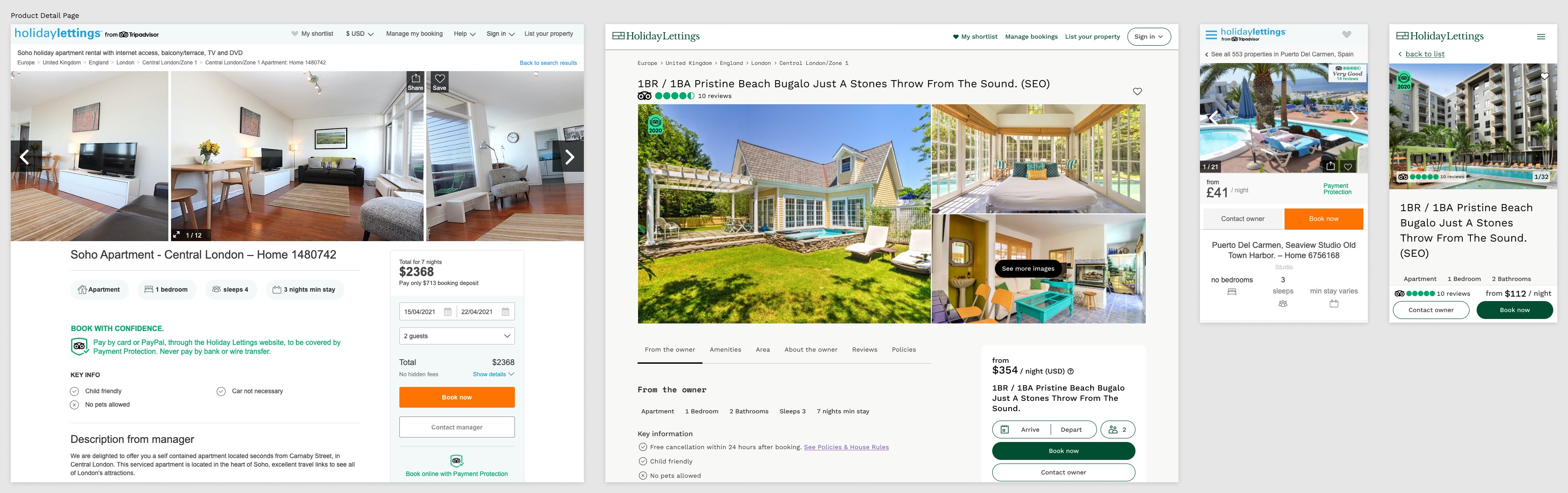
The outcome from a visual perspective included a new brand direction that focused on a brighter color palette and more inspirational use of photography throughout the shopping experience. Additionally, we upgraded the UI to ensure AA accessibility standards and integrated larger UI components intended for touch-enabled devices. Lastly, we developed the upgraded UI and refreshed branding on an adaptive framework of react components, enabling a modern, adaptive, and performant UI across each major surface of the experience.
Our analytics showed positive results for this project in several key metrics when compared to the control UI during the same time frame year-over-year:
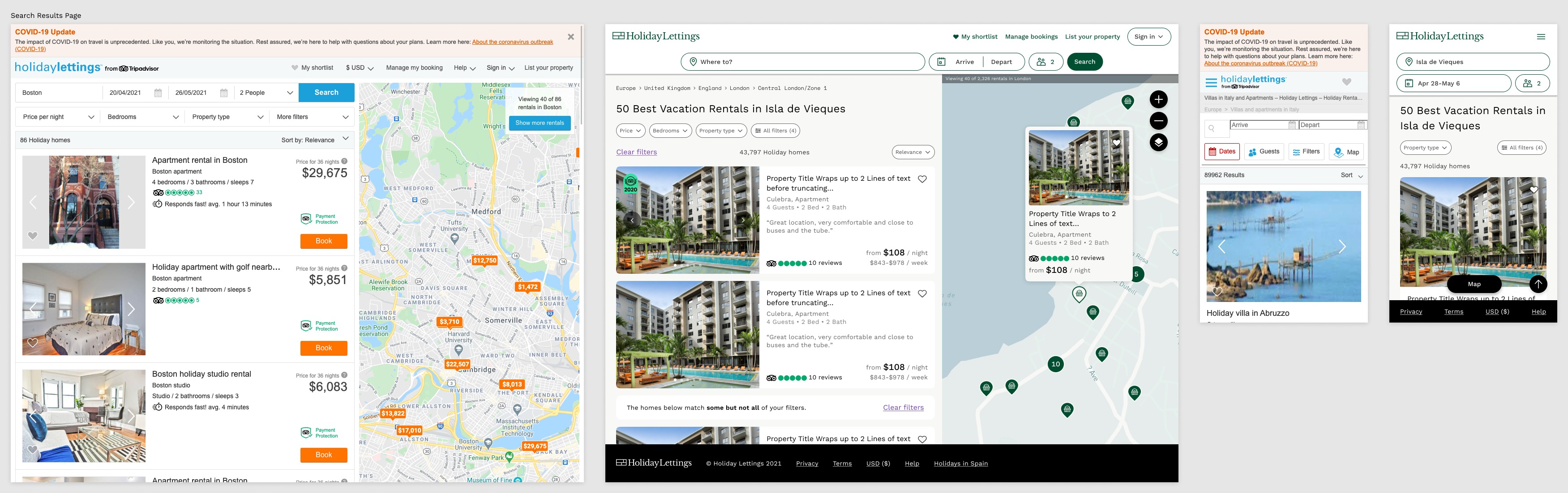
Among the many wins, our analytics also revealed decreased engagement with the filters feature, and filters are essential for the traveler's shopping experience. Our data shows that the filtering shopping behavior correlates to booking intent by 2x; shoppers who engage with filters are twice as likely to make a booking compared to shoppers who do not engage with filters. This area of focus would be the next priority for the team and enable me to lead the team in an investigation as to why this metric was trending in the wrong direction after we refreshed and optimized the shopping experience. Find out more about this next step of the project in the Holiday Lettings Filters Study I conducted.
Additional next steps included working through the backlog of out-of-scope features and optimizations and investigating large deltas in general traffic patterns compared to the prior year's traffic trends.